Thursday, 24 January 2013

Farm animal CPD 2013

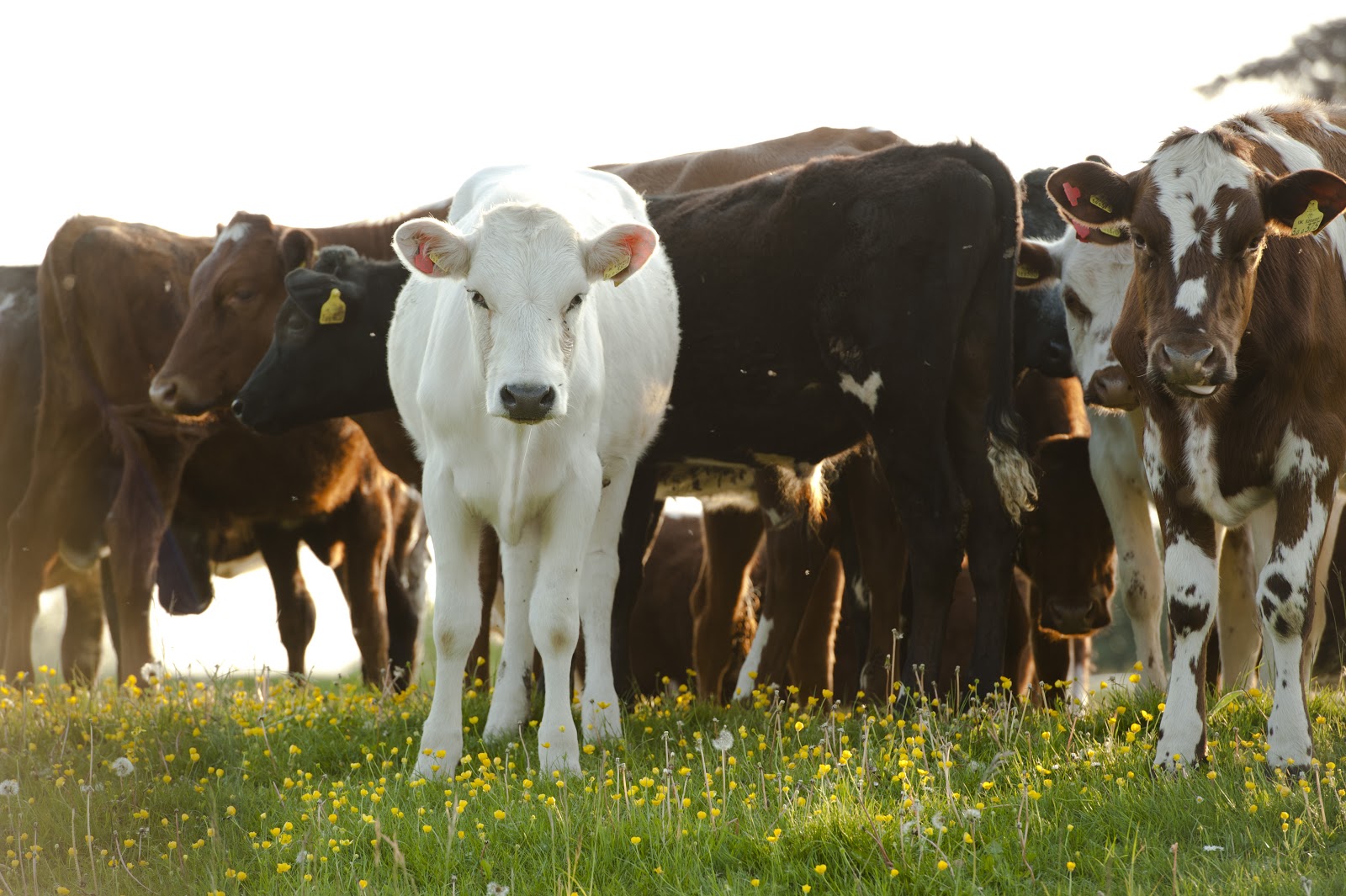
Due to the overwhelming response to this course, we have investigated a number of venues to create a second day. This has led to us contacting the sister of one of our students, Lucy de La Pasture, who has a farm in Herefordshire. This should prove to be invaluable, since TB has been the cause of the loss of many of their cattle. It is crucial to work with them before full turnout. We have set the date of March 23rd and this will also coincide with being able to work in the lambing season at their farm.


The farm originally being suggested in Bristol for the July course is a commercial dairy farm, whilst the farm in Herefordshire is an organic cattle and sheep farm.

Those who have already booked onto the Farm CPD in July, will have first choice if they would prefer to attend the CPD in Herefordshire on 23rd March (although we hope to offer a follow-up day in Herefordshire in the summer as well). All students with reserved places will be notified today. If you have not reserved a place on this CPD please contact the office and we can advise as to whether a place becomes available.
The incredible capacity of Melissa

An absolutely fascinating insight into the effects of melissa applied to a dog with an unspecified back problem. The vet was baffled and prognosis was for Rizzle to be PTS.

The case study is carried out and narrated by Carina. DipIAZ, I strongly recommend listening to it.

To listen to the recording, please click on the link below:

recording of a case study


Professional practice

It has been drawn to our attention that a few people from earlier short-course trainings are using their 'certificate' to infer professional status in Applied Zoopharmacognosy. Only the Diploma training gives professional status and therefore the ability to obtain professional insurance cover.


If you should come across anyone making a professional claim outside of being a qualified graduate of the diploma course, or you wish to check the status of someone who has attended a course at the Academy, please email the office: iaz.enquiry@gmail.com

Monday, 14 January 2013

We all know what we need


Porsche made her selection, chose Neroli, then ran off with its lid.

Courtesy of Jackie Rugger.

Friday, 11 January 2013

A belated happy New Year to you all.


We have been busy planning for 2013.

One of our projects includes us inviting Dr Bernadette Lichtfouse MVSc to teach introductory CPD's on Parasitology, Bacteriology and Immunology. Bernadette is a clinical scientist, who was trained at the Liverpool School of Tropical Medicine.

We have welcomed the new year in with a brand new shopping cart for the Wild Health Shop. It is based on the programme used by Amazon and enables you to store your account details and check on the progress of orders etc, so we hope that you will enjoy using the shop. We are working on new products to expand the range and will keep you updated once this happens.

I have withdrawn the Animal Aromatics Workbook from sale as it is long overdue for being updated. I am working all hours to get it replaced.

We have a busy February and look forward to seeing some of you then.

Saturday, 15 December 2012

AZ for Humans

We had a lot of fun at the two AZ for Human classes with some amazing results:

It was amazing how many students responded to sweet orange oil to help their ailments ranging from allergies to rheumatoid arthritis (possibly brought on by a viral infection), to stomach disturbances.


We all witnessed many of the results before our eyes. We started with muscle testing and then went on to smell and taste to assess what was needed.

On the Sunday class two of the students responded to carrot seed, one to wild carrot seed, and the other regular carrot seed. To take the test further, they had to smell both carrot seeds (not knowing which was which). It was fascinating for everyone to witness that both students, picked out the oil they had responded to. For those who think humans have lost their ability to use their sense of smell, I think we proved a point.

Some of the conditions encountered during the classes were:

  • Psoriasis/ eczema: patch partially disappeared before our eyes using neat roman and german chamomile
  • Rheumatoid arthritis (sudden onset): Responded to similar oils to those selected by the goats viral infection, characterised by arthritic symptoms. No pain oils were selected, only anti-viral. As she sipped her hot water with two drops of clove bud and put Melissa and Orange on her tongue, the ache began to ease and fade
  • Swollen knee (was getting worse by the day): Applied German Chamomile, Birch, Immortelle and Carrot Seed oil. The oils absorbed very quickly into the leg. The blue disappeared quickly in areas where it was needed most. The swelling went down before our eyes and she could walk again with ease. Feedback: Overnight, the oedema did not return, and the joint did not become stiff and painful as it normally would
  • Irritated eye: Responded to liquorice root. Took several teaspoons and said her eye felt a lot better by the end of the day
  • Recovery from pneumonia. Took clove oil in warm water, which was alleviating the symptoms. Using her intuition to apply the oils, the student used diluted lavender rubbed onto her chest (where old scar tissue resided in the lungs from previous bouts of pneumonia), she also wanted to rub frankincense around the neck 
I think everyone learnt a lot and understandably it was hugely valuable to feel the effect of the oil on oneself.

Saturday, 24 November 2012

Eye awareness

Cleaning around the eye:

The eyes are one of the most sensitive areas of the body and as such must never come into direct contact with an essential oil. When using something like a Sandlawood wipe around the eye, make sure any excess water is squeezed out of the cotton wool. The dilution should be no more than 1 to 2 drops of Sandalwood in 50ml of water or Cornflower water.


It needs to be noted that when working with your clients, you have taught them how to clean around the eye, should that be necessary, and inform them that Cornflower water is extracted from a blue flower and is not obtained from the flour used in cooking.